deslioo
EUDR · Due diligence

Prove where your products come from and prepare every operation for the EUDR.

We bring plots, documents and risk assessment into one traceable case file, using our own platform and expert judgement.

Reg. (EU) 2023/1115 · Origin, legality, traceability and risk.

Why it matters

Compliance is decided by the data at origin

The EUDR is not solved with one isolated document. You need to prove which product is in scope, which plot it comes from and how the risk of each operation was assessed.

It also affects exporters established outside the EU who want to retain access to the European market.

  1. 01

    Scope

    Timber, cocoa, coffee, soy, palm oil, rubber, cattle and certain derived products, depending on the product and your role in the chain.

  2. 02

    Cut-off date

    The origin must be free from deforestation after 31 December 2020; for timber, degradation is also checked.

  3. 03

    One operation, one due diligence process

    Legality, traceability, geolocation and risk must hold up operation by operation.

  4. 04

    Evidence on hand

    Coordinates, GeoJSON, documents and TRACES data must be retrievable for an inspection.

How it works

From product to case file, without gaps

Four moments. Each answers a different question.

01 · Scope

We confirm what falls under the EUDR

We review your products and role in the chain to establish which obligations apply before asking for documents.

The diagnosis avoids building a process around requirements that do not apply.

02 · Origin

We trace the origin back to the plot

We coordinate the collection of coordinates with the supplier, prepare GeoJSON files and verify deforestation.

For timber products, the review also covers degradation.

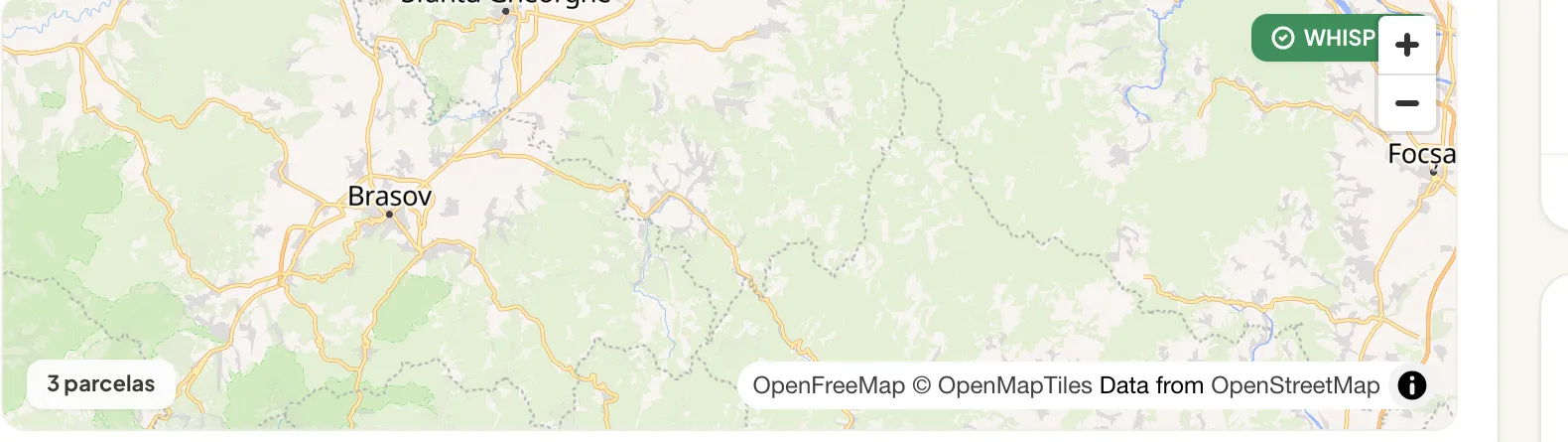
Every origin plot is geolocated and its deforestation status is checked against a third-party verification provider — not a box ticked by hand.
03 · Evidence

We check legality, traceability and risk

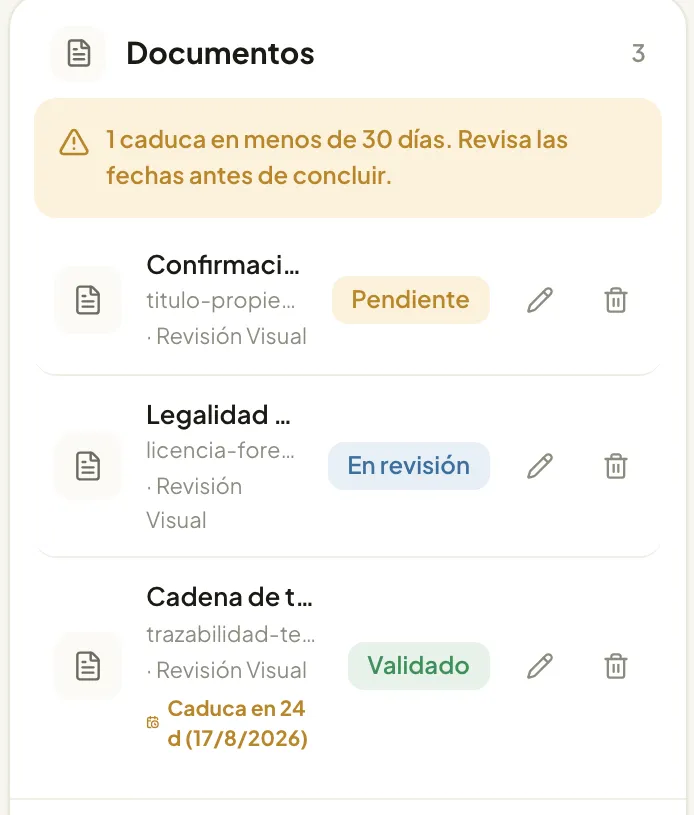
We review the documentation one item at a time, flag what is missing and assess the supplier and the operation.

The case file separates submitted evidence, review and conclusion.

04 · Case file

We prepare the operation for TRACES

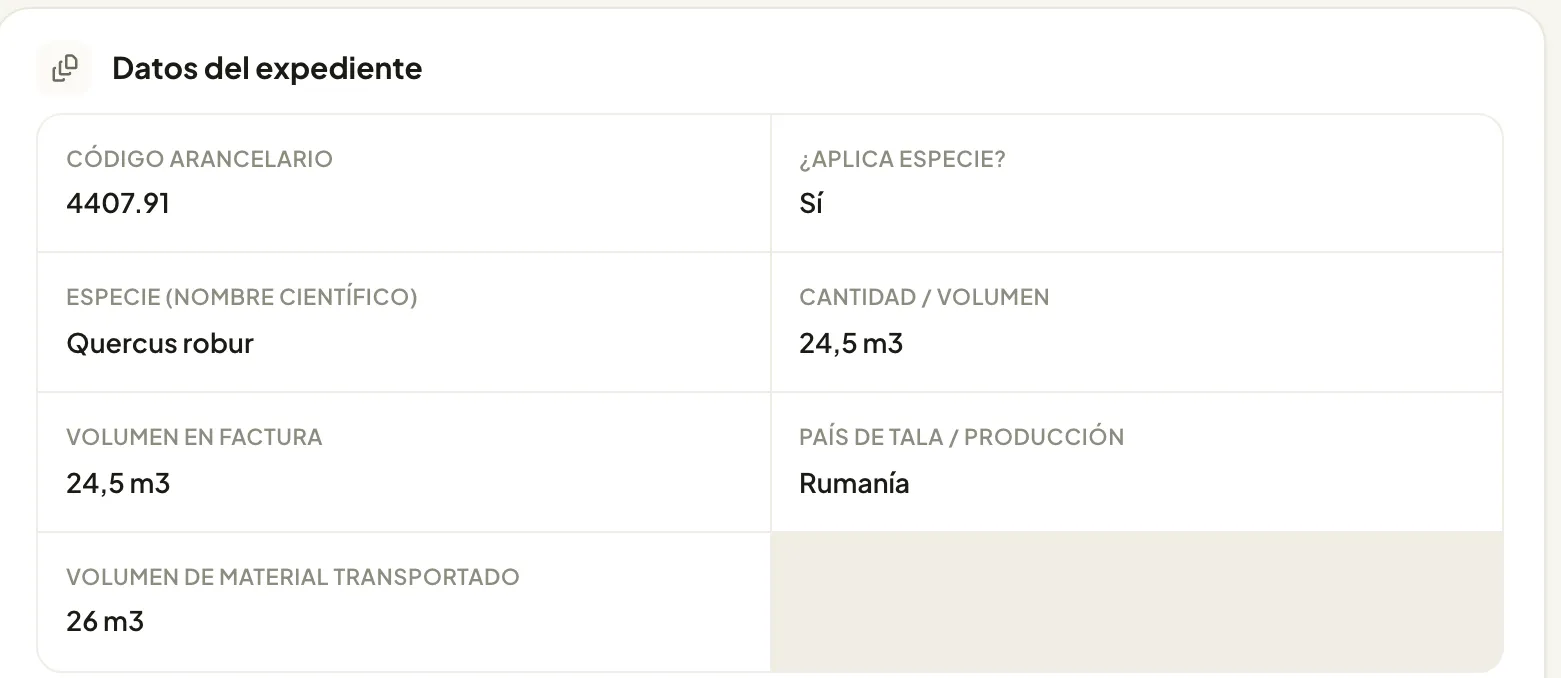
The assessment, evidence and required information are brought together in an accessible, defensible case file.

The system continues operation after operation; it does not end with a PDF.

Case file by operation Prepared
Evidence
Risk assessment
TRACES
What Deslioo does

The platform organises. The expert decides.

Technology structures the work and preserves the audit trail. Expert judgement handles the decisions that cannot be automated.

Platform

Turns scattered requirements into a readable case file.

  • Structures every case file by regulation and operation.
  • Contrasts requirements with what was provided and flags gaps or inconsistencies.
  • Keeps evidence and progress accessible through the portal.

Expert judgement

Interprets the regulation and stands behind the conclusion.

  • Determines how the EUDR applies to your products and role in the chain.
  • Reviews legality and validates the plot and supplier information.
  • Assesses risk and signs off the final case-file decision.
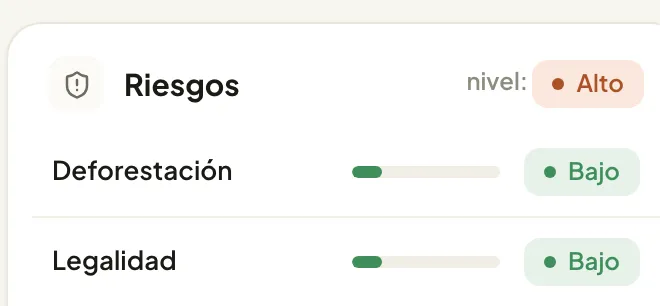
Risk is not a single score: it is assessed per axis, so you can see which one needs work. The case-file level is set by the worst of them.
What you get

An EUDR case file you can follow and justify

Not an isolated PDF: the operation’s due diligence, evidence and assessment, accessible through your portal.

  • Coordinates and GeoJSON per plot, with the relevant verification.
  • Document legality analysed and summarised.
  • Risk assessment and due diligence report.
  • Operation information integrated into TRACES.
  • Access and progress tracking through the client portal.

The deliverable is adapted to what each operation requires.

How we start

We start with what already exists

You do not need a perfect system or to start from scratch. The first task is to see what is already solved and what prevents the case file from being completed.

  1. 01

    Review

    Products, role in the chain, suppliers, documents and the processes you already use.

  2. 02

    Define

    Which obligations apply, which evidence is missing and who can provide it.

  3. 03

    Build

    The case file and working system that will maintain due diligence for subsequent operations.

We work per case file, not per licence. The platform and client portal are included.

Review my EUDR situation
Frequently asked questions

What you need to know before starting

Related scenario When an importer cannot prove the origin of its products See the EUDR scenario
How do I know whether the EUDR affects my company?

If you import or trade timber, cocoa, coffee, soy, palm oil, rubber, cattle or certain derived products, the product and your role in the chain need to be reviewed. That scope assessment is part of the start.

What if my supplier has no coordinates or GeoJSON?

We translate the requirements into clear instructions and coordinate collection of the information at origin. We then verify the plots and prepare the relevant format.

What if we have already completed part of the work?

We review what already exists, keep what works and identify only what is missing. We do not propose starting again by default.

Do you help with TRACES and a possible inspection?

Yes. We integrate operation information into TRACES, prepare the documentary system and train the team to maintain it and respond to requests.

Do you provide ongoing support?

Yes. New suppliers and new operations may require follow-up. The scope is defined around the company’s actual situation.

Next step

Start by finding out what your next EUDR operation is missing.

We review your actual situation and help you decide which evidence, coordination and system you need.

Review my EUDR situation